September 17, 2026
A talented jumper changes hands for six figures based on a video, a vet report, and a gut feeling. Meanwhile, a horse with nearly identical numbers sits unsold for a year because nobody positioned it correctly, priced it against the right comparables, or got it in front of the right buyer at the right show. That gap — between what a horse is worth and what it actually sells for — is not a horse problem. It’s a business problem wearing a saddle.
I’ve spent most of my life on the horse side of that equation: showing hunters and jumpers, learning to read a horse’s way of going, understanding what separates a horse that’s “nice” from one that’s genuinely rideable at the next level up. More recently I’ve spent my time on the other side, finishing an MBA and thinking in terms most riders never get taught — market segmentation, pricing strategy, brand positioning, negotiation structure. What struck me is how rarely those two worlds actually talk to each other.
The sporthorse sales world runs almost entirely on relationships, reputation, and instinct — and it should, because judging a horse is a real skill that doesn’t come from a spreadsheet. But the business side is often an afterthought: pricing based on what a similar horse sold for last year rather than where the market actually is, marketing that’s a single grainy video sent to a group chat, and almost no structured thinking about who the buyer actually is or what they’re trying to solve. A junior hunter buyer and a grand prix owner are not the same customer, and they shouldn’t be marketed to the same way — but they usually are.
What I mean by “business strategy” applied to horses
Not spreadsheets for their own sake. Concretely, things like:
- Positioning — describing a horse in terms of the specific rider and program it solves for, not a generic list of adjectives.
- Pricing logic — benchmarking against current comparable sales.
- Sourcing strategy — knowing which markets (regional vs European) are currently underpriced relative to where the demand actually sits.
- Buyer segmentation — recognizing that “amateur owner,” “junior,” and “professional” are different customers with different decision processes, timelines, and risk tolerance.
Where I’m headed, and why it matters to you
I’m working toward a career in hunter/jumper sales — right now that means learning from established programs and eventually either buying into one or building my own. This blog is where I’ll think out loud about that path: what I’m learning about how sales barns actually operate as businesses, what the data says about where the market is moving, and the real trade-offs that come with treating a horse you actually like as an asset you need to sell.
If you’re a rider who’s ever felt like the business side of this sport is a black box, or a seller who’s ever wondered why a genuinely good horse didn’t move, or just someone who likes seeing two worlds that don’t usually mix get put side by side — this is going to be useful to you. My goal here is to actually dig into the numbers, the positioning, and the strategy behind the sales that work, and share what I’m learning as I build a career on this side of the industry.
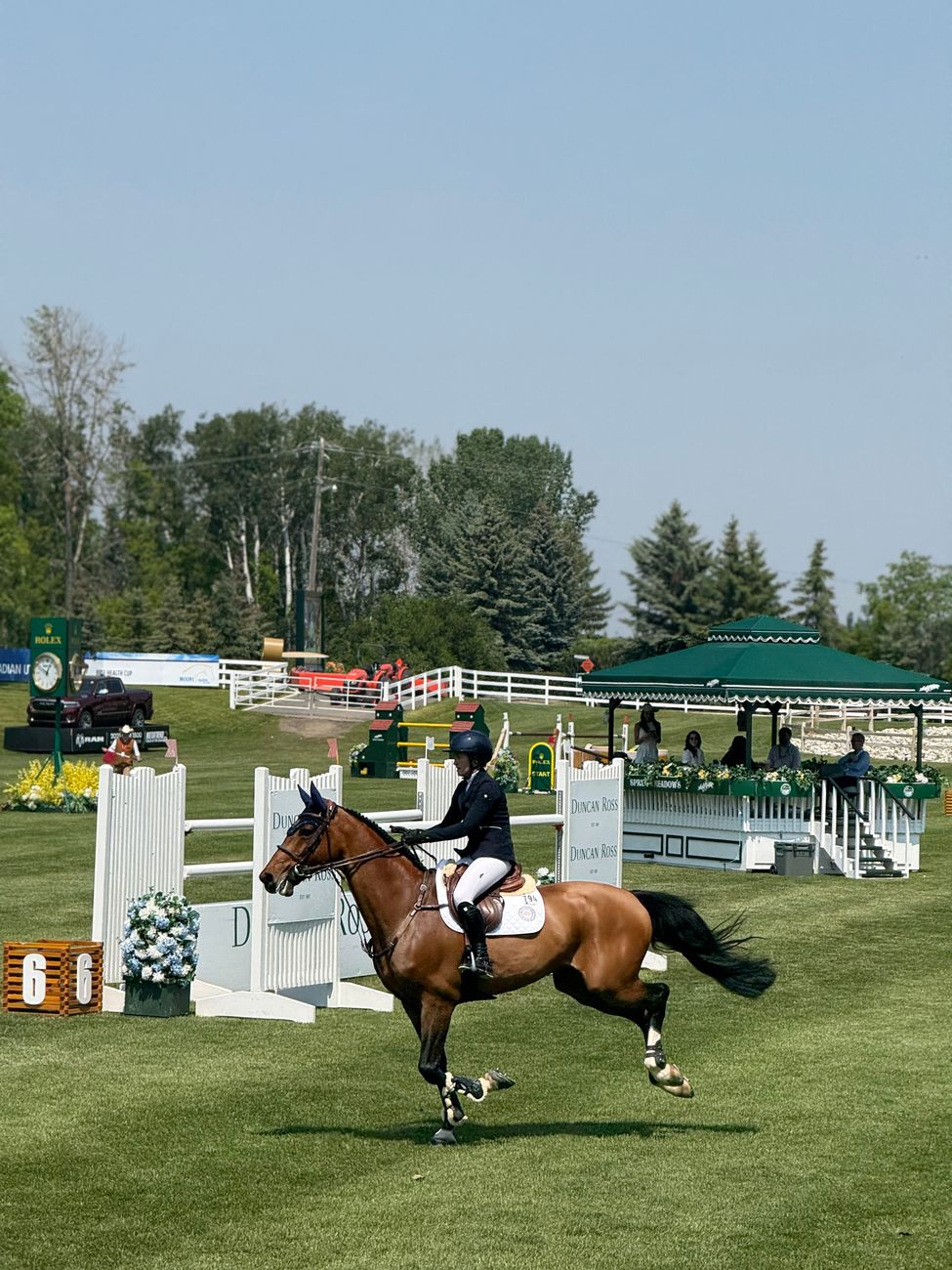
 Hunter/Jumper Sales & Business Strategy
Leave a comment